Sending a lavish hamper across borders is a noble gesture—think champagne, truffles, and a touch of artisanal charm. Yet, the journey from your boutique to the recipient’s doorstep can be riddled with paperwork, inspections, and the dreaded “hold at customs” stamp. If you’ve ever watched a parcel languish in a warehouse while the clock ticks, you know the frustration. This guide will walk you through the practical steps to keep your international luxury hamper moving smoothly, so the only delay you’ll experience is the one between opening the gift and hearing “delicious!”
Understanding Customs and Luxury Hampers
What Makes a Luxury Hamper a Prime Target
Luxury hampers are a cocktail of high‑value items, often including alcohol, dairy, and exotic produce. Customs officials treat them like a fine wine—if you’re not careful, they’ll sniff it out. The combination of expensive goods and potential food safety concerns makes these parcels high‑risk, and that risk translates into stricter scrutiny and longer clearance times.

Common Customs Delays
- Incomplete paperwork – Missing invoices or incorrect tariff codes can stall the process. Inadequate labeling – If the contents aren’t clearly listed, customs may need to inspect the goods. Perishable items – Food items can trigger health inspections, especially if they lack proper refrigeration. Duty and tax miscalculations – Over‑ or under‑payment of duties can lead to disputes and delays.
These hiccups often turn a swift delivery into a waiting game that can cost you time and money.
Planning Ahead: Documentation and Packaging
Accurate Documentation
A well‑prepared customs declaration is your passport to a smooth transit. Ensure that every item is listed with the correct HS code, value, and country of origin. A single typo can trigger a manual review. Remember, the declaration should match the commercial invoice precisely—no room for creative rounding.
Packing for Perishables
Perishable goods are the Achilles’ heel of luxury hampers. Use insulated containers, ice packs, and, if possible, a temperature‑controlled shipment. Label the package with “Temperature Sensitive” and include a temperature log if required. This small step can shave days off the inspection process.
> “The best way to avoid a customs hold is to treat your parcel like a VIP guest—dress it properly, give it the Biscuits & cookies right paperwork, and show it the fastest route.” – Customs Specialist, International Trade Journal
Choosing the Right Carrier and Route
Carrier Reputation
Not all logistics companies are created equal. Some carriers have established relationships with customs authorities and can expedite clearance through trusted‑partner programs. Look for carriers that offer:
- Dedicated customs clearance teams Real‑time tracking of customs status Proven track record with high‑value, perishable shipments
Route Optimization
Sometimes the fastest route isn’t the most obvious one. For example, a direct flight to a major hub like Frankfurt or Dubai may reduce handling steps compared to a multi‑stop route. However, consider the customs processes at each destination. A single, well‑managed customs clearance at a major hub can be faster than multiple stops with separate inspections.
Leveraging Customs Brokers and Local Agents
The Broker Advantage
A licensed customs broker can act as your advocate, navigating the complex web of regulations on your behalf. They can:
- Verify tariff classifications Prepare required certificates (e.g., phytosanitary, alcohol permits) Communicate directly with customs officials to resolve issues quickly
Hiring a broker is like hiring a tour guide for a foreign country—you’ll avoid getting lost in the bureaucracy.
Local Agent Tips
When shipping to countries with strict food regulations, a local agent can pre‑clear your shipment. They’ll handle:
- On‑site inspections Rapid documentation updates Coordination with local freight forwarders
This approach can cut the clearance time from days to hours.
Timing and Seasonal Considerations
Avoiding Peak Holidays
Customs offices are often overloaded during major holidays (e.g., Christmas, Chinese New Year). Sending a luxury hamper during these periods can lead to significant delays. Plan shipments at least 3–4 weeks before the holiday and avoid the last‑minute rush.
Weather and Transit Times
Adverse weather can disrupt flights and sea routes, causing unexpected hold‑ups. Check weather forecasts and avoid shipping during monsoon seasons or hurricane windows. A proactive approach can keep your hamper on schedule.
Practical Checklist for Smooth Delivery
- Complete commercial invoice with accurate HS codes Provide packing list detailing each item Include certificates (phytosanitary, alcohol, etc.) Use insulated packaging for perishables Label as “Temperature Sensitive” and attach a temperature log Select a reputable carrier with customs clearance expertise Hire a licensed customs broker Schedule shipment well before holidays Track the package in real time and monitor customs status
The Perfect Gift Awaits
By following these steps, you’ll transform the journey of your luxury hamper into a seamless experience. Think of it as a well‑orchestrated symphony—each section (documentation, packaging, carrier, timing) plays its part to create a harmonious delivery.
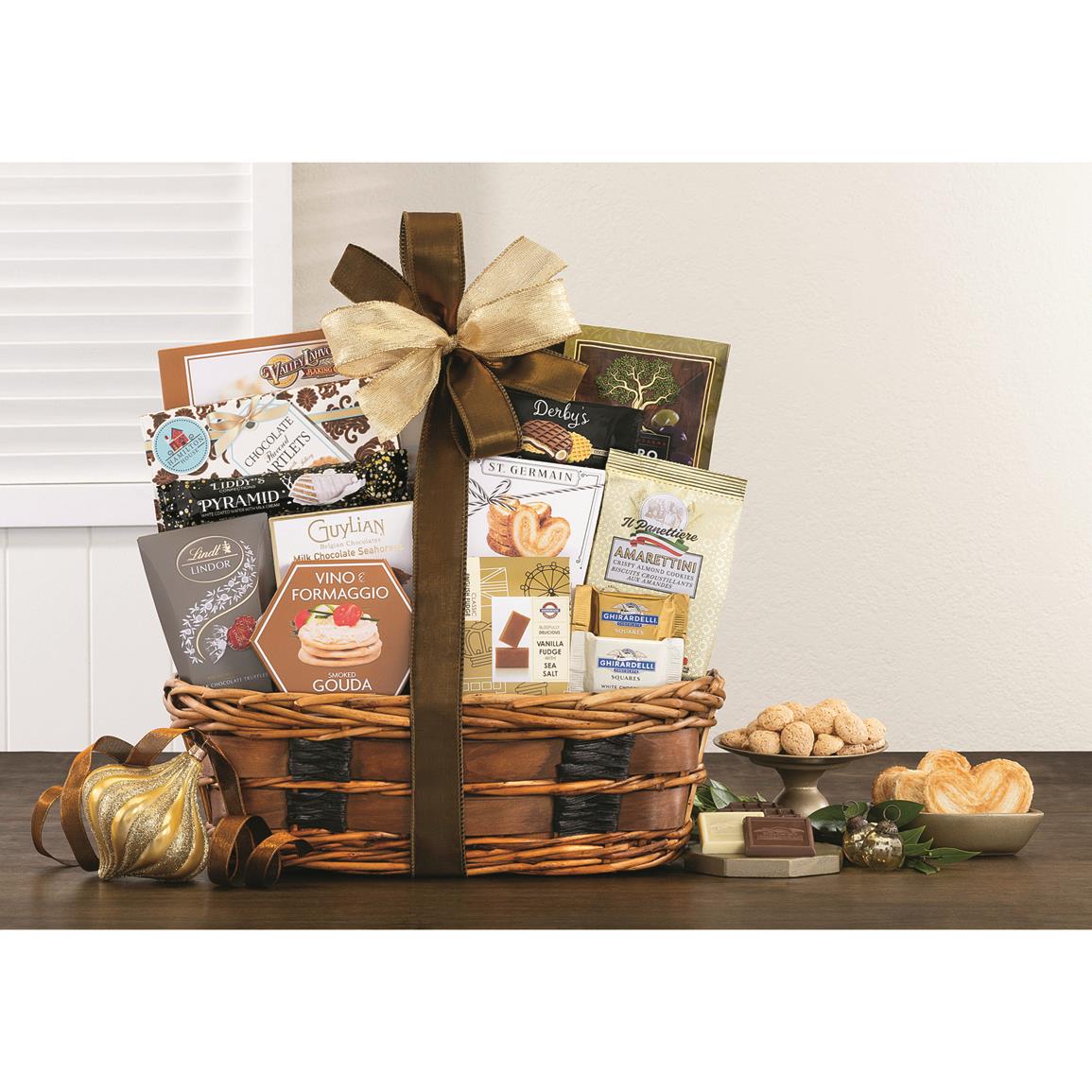
So, next time you’re preparing that opulent gift, remember: a little preparation goes a long way. Secure the right paperwork, choose the right carrier, and let a customs broker be your backstage crew. Your recipient will thank you not just for the indulgent contents, but for the flawless arrival.
Ready to send that dream hamper? Pack Wine & gourmet food it with care, follow the checklist, and watch it glide across borders like a private jet—smooth, swift, and spectacular.